
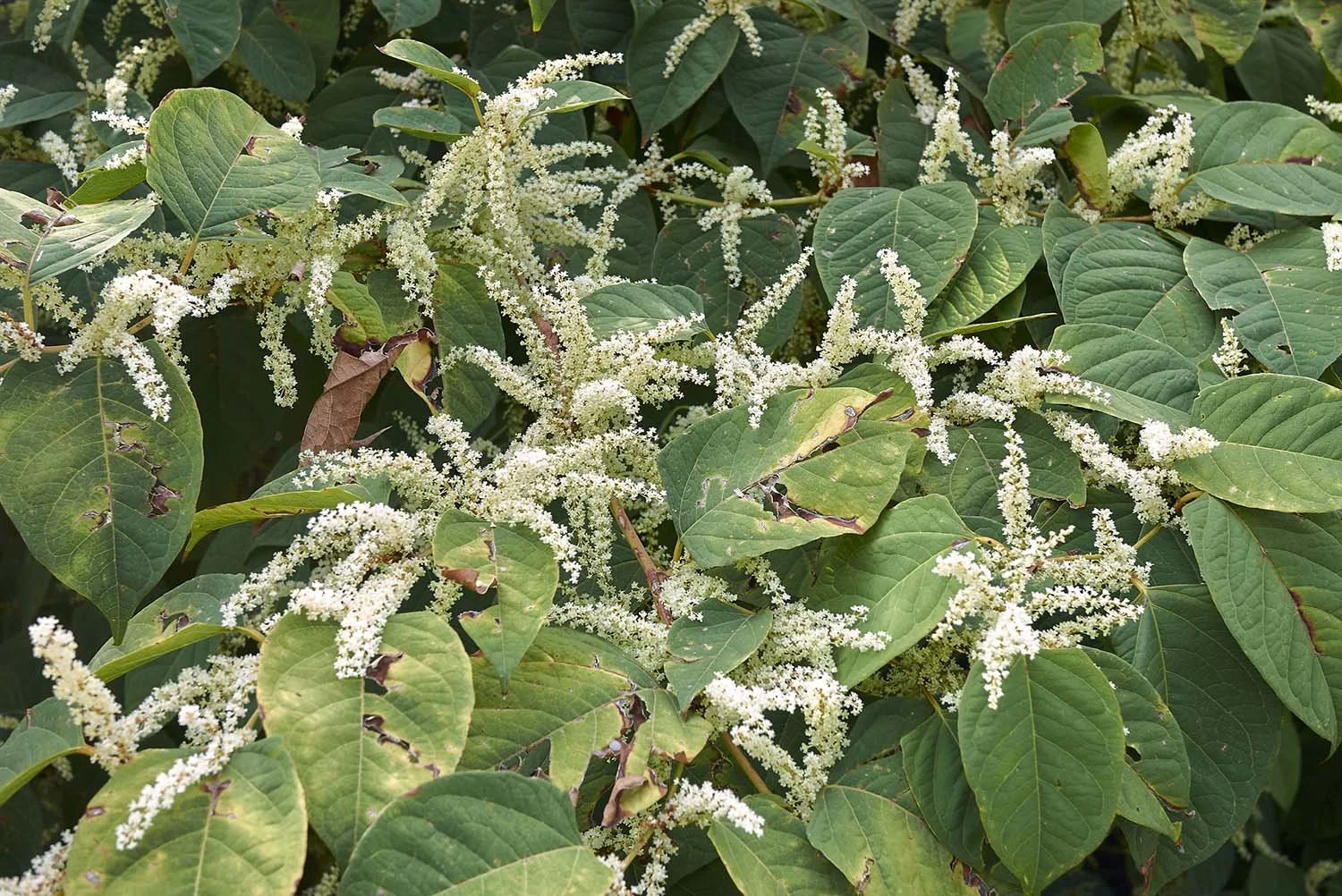
Invasive Plant removal
Specialist treatment & removal
Fast & thorough treatment
Compliant disposal
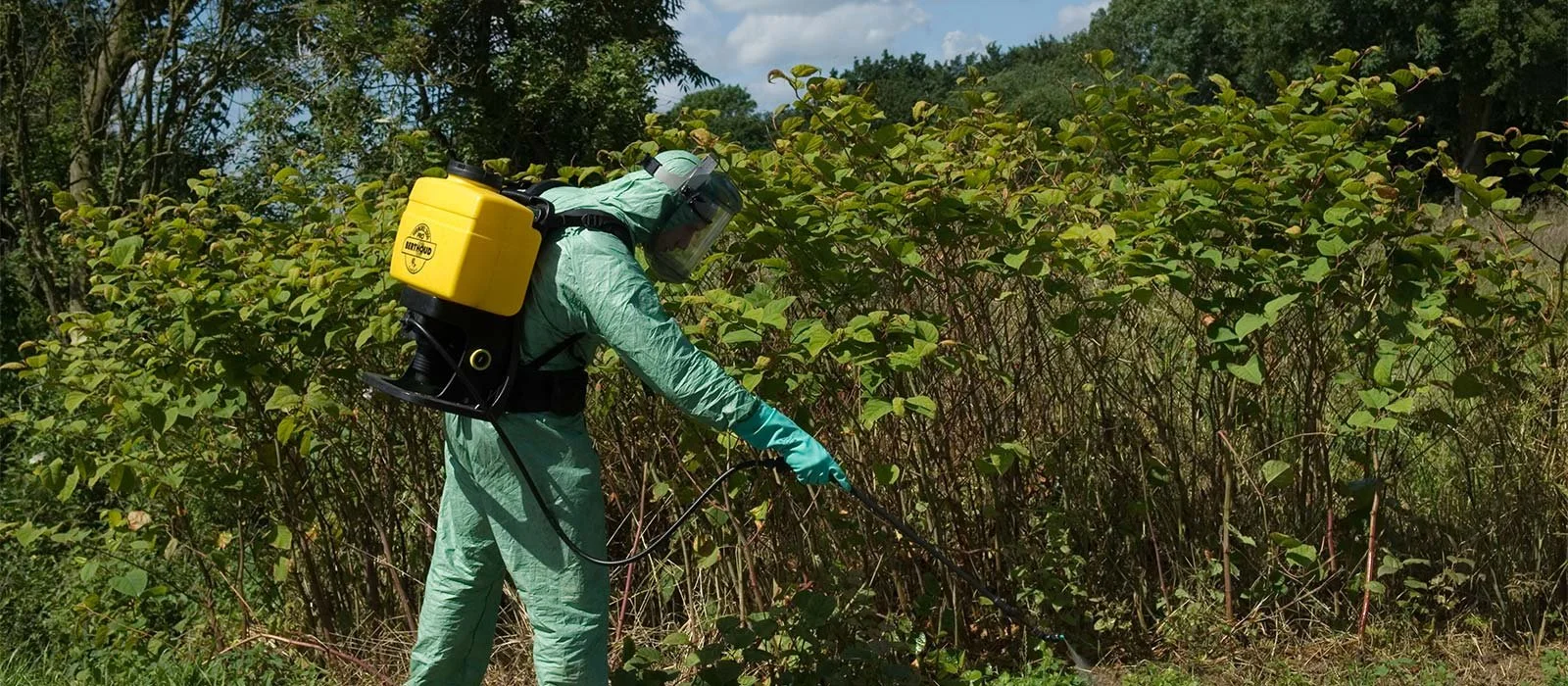
Fast, invasive plant Services across the uK
Prospect Materials Ltd provides invasive plant services for construction sites, developers and property owners across the UK. We identify, manage and remove invasive species such as Japanese knotweed, making sure they are treated correctly and disposed of as controlled waste.
We can help with:
Japanese knotweed surveys, treatment and removal
Management of other invasive plants on development sites
Excavation and off‑site disposal as controlled waste
On‑site management solutions where appropriate
Advice to support sales, purchases and mortgage approvals
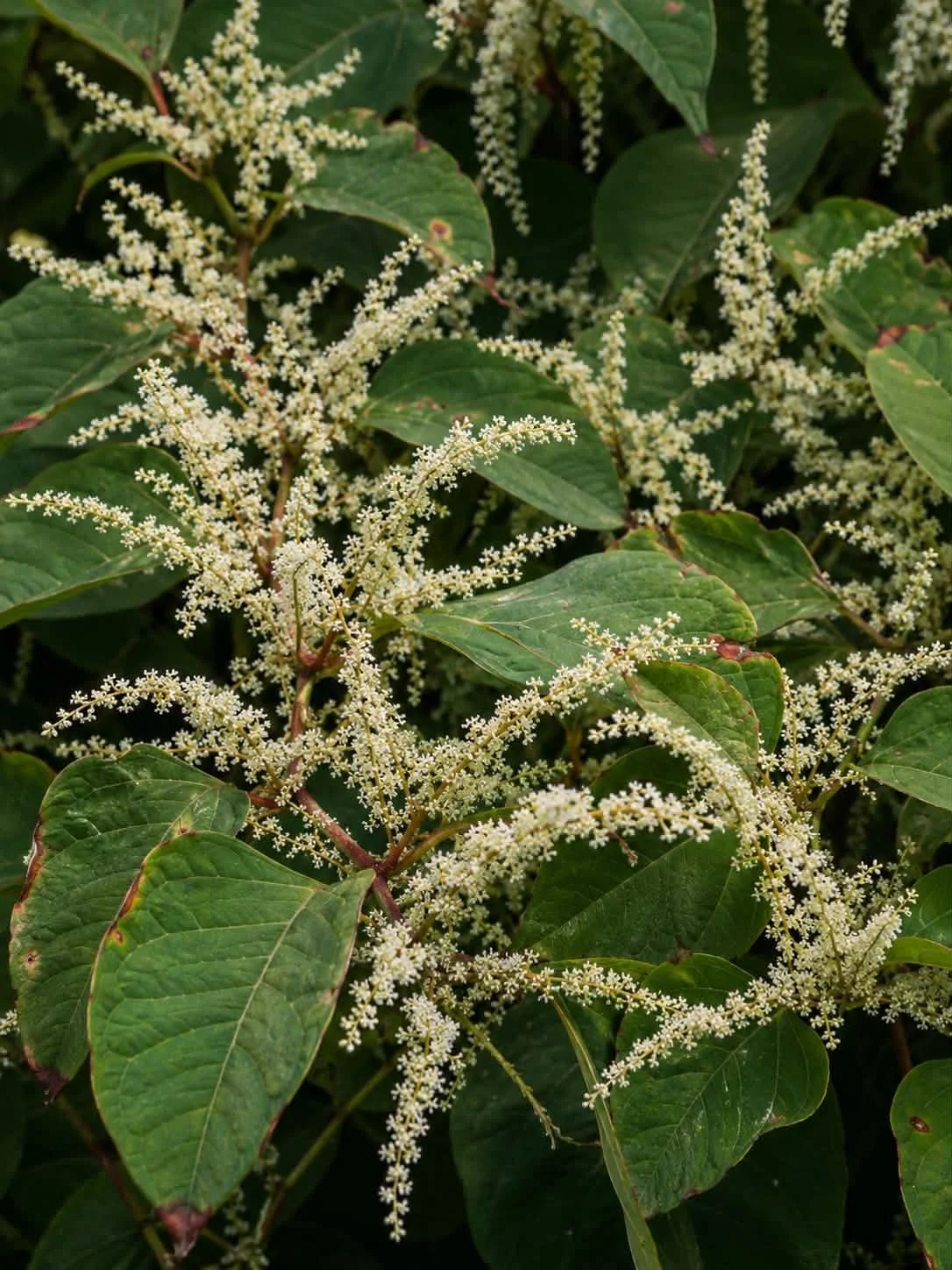
Japanese Knotweed & Support
Japanese knotweed can cause concern for buyers, lenders and neighbours, but it is a problem that can be controlled when handled correctly.
Prospect Materials has over 27 years experience working with Japanese knotweed and has invested in research and development to create effective, cost‑conscious methods.
-
Japanese knotweed is a fast‑growing, invasive plant originally introduced to the UK as an ornamental species. It spreads through an underground rhizome (root) system, quickly forming dense stands that outcompete other plants and are difficult to remove.
On development and residential sites, Japanese knotweed can:
Disrupt hard landscaping, patios, paths and light structures by exploiting gaps and weak points
Interfere with access, boundaries and drainage runs
Delay planning, sales and refinancing if not properly managed
Create legal and financial risk if it spreads to neighbouring land
Because of these risks, lenders, surveyors and insurers often want to see that a professional management or eradication plan is in place wherever knotweed is present or suspected nearby.
-
If your site has Japanese knotweed or other invasive plants, it’s important not to disturb them. All parts of the plant – and any soil contaminated with it – are classified as controlled waste and must be handled carefully. Prospect Materials has experience helping clients manage, remove and dispose of this material through compliant routes.
If you think you have Japanese knotweed or another invasive species on your site:
DO NOT disturb any ground or soil within at least 7 metres of any visible plant
DO NOT cut, strim or attempt to pull up the plant
DO NOT move any machinery, tools or vehicles away from the area without thoroughly cleaning them first
DO NOT take any soil or vegetation off site unless it is being moved by a registered waste carrier using an agreed disposal route
Instead:
Mark out the full extent of the visible infestation
Prevent unauthorised access to the marked‑out area
Take clear photos from different angles (without entering dense growth)
Contact Prospect Materials as soon as possible on 01932355365 or click the button below to fill in our form for advice on next steps and compliant removal options.
-
Description text goes hereA lot of the concern around Japanese knotweed comes from myths and exaggerated claims. A few examples:
“Japanese knotweed can grow through solid concrete and brick.”
In reality, knotweed exploits existing cracks, joints and weaknesses in construction – it does not drill through solid concrete or brickwork. Most damage is associated with older or poorly maintained structures, not sound modern buildings.
“Japanese knotweed can’t be killed.”
It is difficult to eradicate with off‑the‑shelf garden products, but it can be successfully controlled and removed using the right methods. Professionally planned herbicide treatment and, where necessary, controlled excavation can clear infestations over a defined timescale.
“If I just cut it back or strim it, it will go away.”
Cutting or strimming the top growth does not kill the rhizome system underground and can actually make things worse by spreading fragments around site. Knotweed needs a structured control strategy, not just periodic cutting back.
Our role at Prospect Materials is to cut through the myths, explain the real level of risk on your site and put a practical, proportionate plan in place.
-
Non‑native invasive species: Introduced from Japan in the 19th century as an ornamental plant and now widespread across the UK.
Spreads via rhizomes, not seeds: In the UK it rarely produces viable seed; most new growth comes from small pieces of underground root or contaminated soil being moved.
Fast, extensive growth: Shoots can grow several centimetres a day, and the rhizomes can reach several metres from visible stems and a few metres deep, so careless digging can spread it.
Classed as controlled waste: Soil and plant material containing knotweed must be handled and disposed of as controlled waste via licensed carriers and facilities.
Structural risk is often overstated: Knotweed exploits existing cracks and weak points rather than solid concrete or brick; serious damage is usually linked to older or poorly maintained structures.
Specialist treatment is usually needed: Because rhizomes are resilient, DIY cutting or standard weedkiller rarely works; planned professional treatment and/or controlled excavation is typically required.
-
Some important facts about Japanese knotweed and your responsibilities:
Legal status: Japanese knotweed is listed in Schedule 9 of the Wildlife and Countryside Act 1981. It is an offence to “plant or otherwise cause it to grow in the wild”.
Duty of care: Landowners are responsible for managing knotweed on their land and preventing it spreading onto neighbouring properties or into the wider environment.
Controlled waste: Knotweed‑contaminated soils and plant material are classed as controlled waste and must be handled and disposed of via licensed, Environment Agency–regulated routes.
Easy to spread: A small piece of rhizome in the right conditions can grow into a new plant, so careless disturbance, movement of soil, or contamination of machinery, clothing and tyres can quickly spread an infestation.
Treatment: Standard herbicide sprayed casually on the leaves will not usually kill the rhizomes. Effective control relies on a planned programme of treatment and/or carefully managed excavation, tailored to the size of the infestation and how the land will be used.
Prospect Materials combines invasive plant expertise with our core waste management services. We can survey, design a treatment strategy, and, where excavation is required, safely remove and dispose of contaminated soils through approved outlets, providing full documentation to demonstrate compliance.


We’re committed to Sustainability
We take environmental responsibility seriously. Invasive plants like Japanese knotweed can damage biodiversity, spread along watercourses and create costly problems for neighbouring land if they’re not handled correctly.
On every invasive plant job, you can be confident we’re focused on controlling the species safely, preventing further spread and using compliant routes for any contaminated soils and vegetation, treated as controlled waste.
Prospect Materials Ltd is a registered waste carrier, broker and dealer under the Waste (England and Wales) Regulations 2011, and all invasive‑plant arisings are moved by licensed carriers and taken only to Environment Agency–regulated facilities approved for this material.
By combining expert invasive plant management with clear paperwork and carefully managed disposal routes, we make dealing with Japanese knotweed and other invasive species both straightforward and environmentally responsible for your projects.
OVER 27+ YEARS SUPPLYING UK PROJECTS
OVER 27+ YEARS SUPPLYING UK PROJECTS
Ready to tackle invasive plants?
To get advice or a quote for Japanese knotweed or other invasive plant issues on your site, contact our team on 01932 355365 or fill in our quick form.
Share your site location, photos, any survey reports you have and your timescales, and we’ll come back with clear recommendations, treatment options and competitive pricing.
FAQs
-
Invasive plants are non‑native species that spread aggressively and cause problems for structures, biodiversity or neighbouring land. On UK development sites the main concern is usually Japanese knotweed, but other species such as Giant Hogweed and Himalayan Balsam can also create issues and may need specialist management.
-
Ideally before enabling works and definitely before bulk excavation. A pre‑start survey lets you:
Identify any knotweed or other invasive species on or near the footprint
Plan treatment or excavation into the programme and budget
Avoid moving contaminated soil around site or off site unlawfully
We can work from your site plans and phasing to build a practical strategy.
-
Timescales depend on the size of the infestation, how long it has been present and how the land will be used. Herbicide‑based management plans typically run over one or more growing seasons. Excavation and off‑site disposal can remove infested soil more quickly, but requires careful planning and compliant outlets. We’ll talk you through the options and realistic timescales for your site.
-
Japanese knotweed is the most common invasive species we see on development and residential sites, but we can also advise on other problem plants and integrate their management into your wider site clearance and waste strategy. If you’re unsure what the plant is, send us details and we’ll point you in the right direction.
-
Yes – in most cases construction can proceed if there is a documented management or removal plan and the infestation is contained. We’ll help you decide whether phased herbicide treatment, excavation to a certain depth, or on‑site burial/encapsulation (where appropriate) is best for your design and programme.
-
Yes. Prospect Materials Ltd is a registered waste carrier, broker and dealer under the Waste (England and Wales) Regulations 2011. All loads are taken to Environment Agency–regulated outlets with full duty of care documentation.